Installing CCTV cameras in Singapore requires more than choosing the right equipment. Property owners must follow legal requirements, respect privacy rules, and understand approvals needed for different types of properties. From residential units to business premises, ensuring that your CCTV installation is compliant protects both your property and your neighbours while helping you avoid fines or legal disputes. This guide covers the essential steps to install CCTV cameras legally and effectively across Singapore.
Residential CCTV Approval and Usage Guidelines
Before installing CCTV cameras, it is important to know which areas require approval. Cameras inside your private home generally do not require permission, provided they only capture areas under your control. However, cameras that monitor shared corridors, entrances, or public spaces may require approvals. HDB residents must obtain permission from the Town Council before installing cameras outside their units, usually supported by a police report, and often limited to temporary installations of up to six months. Condominium owners need approval from their Management Corporation Strata Title (MCST) before installing cameras outside their units to ensure they do not intrude on common property or neighbours’ privacy. Landed property owners have more freedom to install cameras on their property but must ensure that cameras do not capture neighbouring homes or public areas, which could constitute a privacy infringement.
Using Smart Doorbells and Digital Peephole Cameras
Smart doorbells and digital peephole cameras are generally less intrusive and can be installed inside your unit without requiring approval. However, if these devices capture footage of shared or public areas, approval may still be necessary. Even small installations must respect the privacy of individuals and avoid pointing cameras toward neighbours’ property.
Privacy Responsibilities and Neighbour Considerations
Even with the correct permissions, property owners must comply with the Community Disputes Resolution Act (CDRA), which prohibits unreasonable interference with neighbours’ enjoyment of their property. Cameras should never point directly at neighbours’ doors or windows, and coverage should be proportionate to security needs. Excessive surveillance of adjacent properties can lead to civil complaints, compensation orders, or other legal actions, making proper planning and positioning essential.
Business CCTV Systems and PDPA Compliance Requirements
Businesses installing CCTV Camera systems must comply with the Personal Data Protection Act (PDPA) when footage contains personal data of employees, customers, or visitors. CCTV footage must have a clear and legitimate purpose, and individuals should be notified that they are being recorded. Signage indicating camera monitoring helps provide implied consent. Surveillance should be proportionate and limited to necessary areas, such as entrances, inventory zones, or high-risk areas, and should never include private spaces like toilets or staff resting areas. Footage must be securely stored, and access restricted to authorised personnel. Individuals have the right to request access to their personal data captured by CCTV, and businesses must provide access within a reasonable timeframe while protecting the privacy of others.
Best Practices for CCTV Camera Placement and Daily Operation
Correct placement of CCTV cameras in Singapore ensures legal compliance and operational effectiveness. Cameras should monitor areas you control and avoid capturing neighbours’ properties or public spaces. Outdoor cameras must be angled to cover entrances and property boundaries without infringing on others’ privacy. Indoor cameras should focus on critical areas while maintaining discretion. Proper storage of footage, either locally or on cloud platforms, is essential to prevent unauthorised access. Regular maintenance and periodic audits help maintain system performance and ensure continued compliance with legal requirements, making your CCTV Camera Singapore setup both effective and law-abiding.
Penalties and Risks of Failing to Comply with Regulations
Failing to follow the proper legal and privacy guidelines can result in significant penalties. Residential property owners may face fines from Town Councils or condominium management, while businesses may be subject to PDPA enforcement actions, including financial penalties and legal proceedings. Intrusive surveillance that violates privacy expectations can also result in civil claims and compensation orders. Engaging a licensed installer and following the correct procedures helps mitigate these risks and ensures lawful operation.
Why Engaging Licensed CCTV Installers Matters
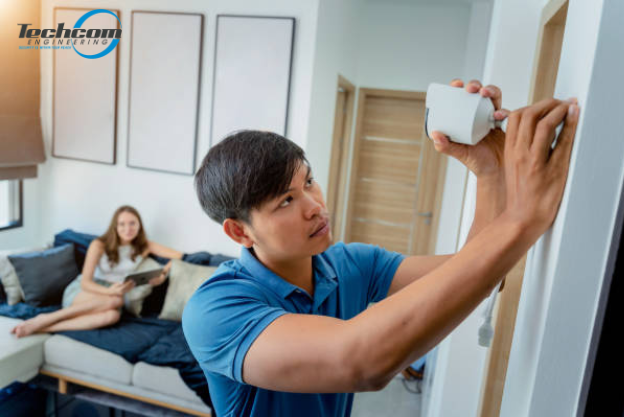
CCTV systems must be installed by licensed security service providers. Licensed installers understand technical requirements, legal obligations, and optimal camera positioning to ensure both effectiveness and compliance. Professional installation reduces the risk of fines, legal disputes, and system errors. While hiring a licensed installer may incur additional costs, it is a necessary investment to guarantee a lawful and functional CCTV setup for residential and business properties.
Building a CCTV Camera System That Meets Singapore Regulations
A compliant CCTV camera system in Singapore strikes a balance between effective security monitoring and respect for privacy and data protection requirements. Begin by assessing your property type, identifying the necessary approvals, and determining which areas genuinely require surveillance. Select CCTV equipment that meets your operational needs without being overly intrusive, engage licensed installers, and ensure clear signage and secure storage of recorded footage. Ongoing system reviews and regular maintenance are essential to maintain compliance. By following these best practices, homeowners and businesses can strengthen security while aligning fully with Singapore’s regulatory framework.