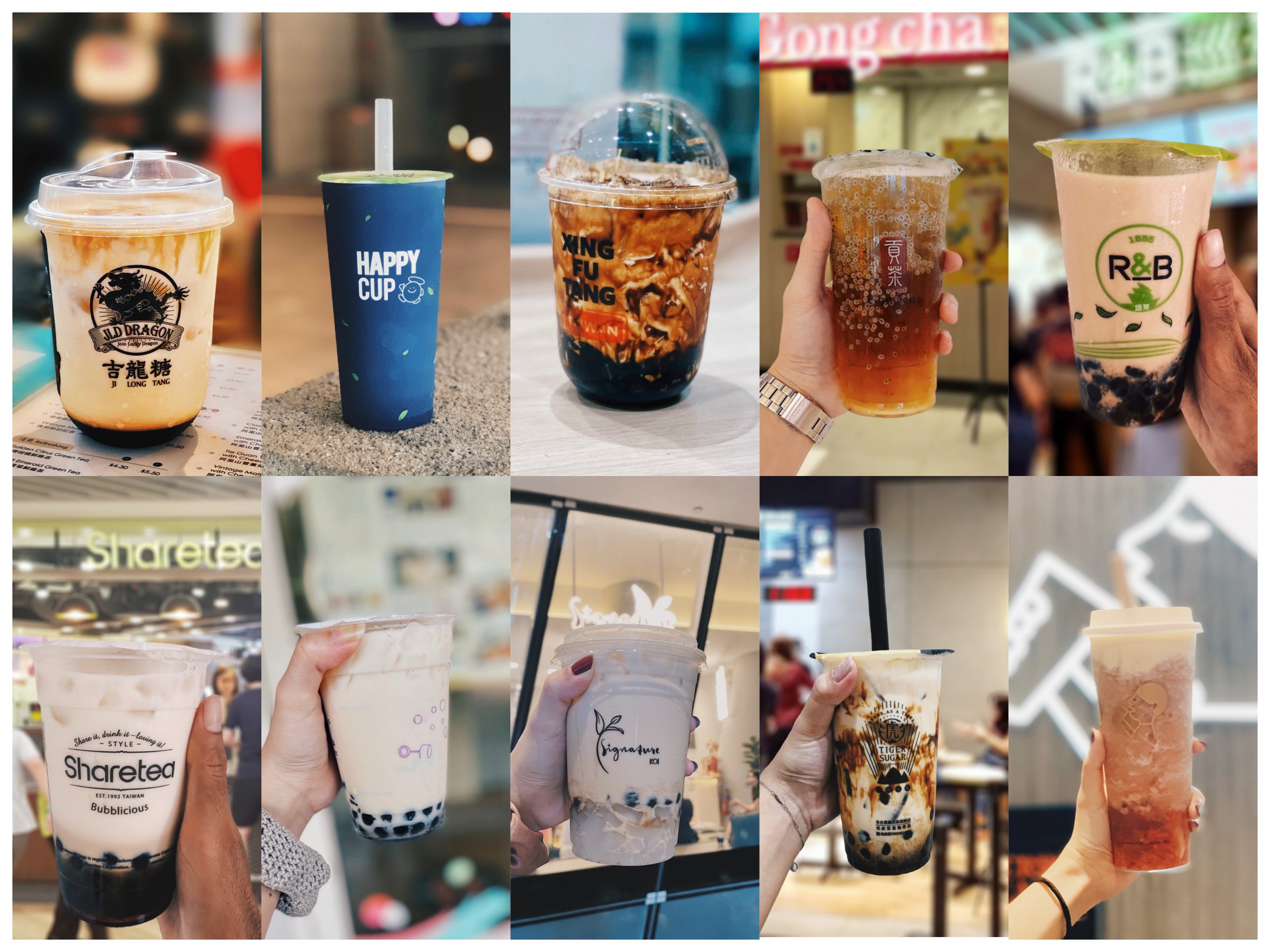


Singapore remains one of the most competitive bubble tea markets globally. While consumer demand continues to rise, business owners face significant hurdles in maintaining profitability. This guide examines how leveraging QR ordering and smart automation addresses the critical challenges of inventory spoilage, labour intensity, and the surge in delivery platform logistics.
The Reality Of High Demand In The Singapore Bubble Tea Market
According to data reported by Channel NewsAsia, the bubble tea industry in Southeast Asia, led heavily by the Singapore market, sees consumers spending billions annually. However, high demand does not automatically translate into a successful bottom line. For many local entrepreneurs, the barrier to entry is low, but the barrier to sustainable scaling is incredibly high. The market is saturated, and operational inefficiencies that might be overlooked in other F&B sectors can quickly lead to the closure of a bubble tea outlet.
Success in this landscape requires more than just a unique recipe. It demands a sophisticated approach to workflow and technology. As the industry evolves, the reliance on traditional manual processes is becoming a liability. To maintain a competitive edge, shops must transition toward integrated systems that handle the heavy lifting of order management and stock tracking.
Avoiding The Inventory Trap With Smart Management
One of the most significant risks for bubble tea operators is the inventory trap. Unlike retail businesses with shelf-stable goods, a bubble tea shop relies on highly perishable raw materials. Fresh milk, fruit, and cooked pearls have incredibly short windows of usability.
Poor inventory management leads to two distinct but equally damaging outcomes. First, stockouts result in immediate lost sales and diminished customer loyalty. If a customer visits specifically for a signature grape green tea and the fruit is out of stock, they are unlikely to settle for a substitute. Second, and more common, is the issue of spoilage. Over-ordering or failing to track usage in real-time means expensive ingredients end up in the bin, directly eating into your net profit.
Implementing a smart inventory management system allows owners to track ingredient levels down to the millilitre or gram. When a drink is sold via QR ordering, the system automatically deducts the specific components from the digital stock. This level of precision provides the data necessary to forecast future orders accurately, ensuring you only stock what you can sell.
Addressing Labour Friction In Premium Beverage Production
The premium bubble tea movement has introduced a labour-intensive production model. Customers now expect hand-peeled grapes, hand-mashed citrus, and freshly whisked matcha. While these artisanal touches justify a higher price point and build brand prestige, they create significant labour friction.
This intensity limits your ability to scale. As you open more outlets, the cost of specialised labour can dilute your margins to the point of unprofitability. In Singapore, where the labour market is tight and hiring costs are high, relying on staff to manage both complex drink preparation and manual order-taking is inefficient.
By transitioning the order-taking process to a self-ordering kiosk or QR ordering system, you allow your team to focus entirely on production. Removing the need for a dedicated cashier reduces the headcount required for each shift without compromising service speed. This shift in resources ensures that the quality of your premium drinks remains high while your operational costs remain manageable.
The rise of delivery platforms has fundamentally changed the operational flow of the modern drink shop. In some regions, delivery orders have seen growth exceeding 700%. While this provides a massive increase in reach, it often creates chaos at the physical storefront.
Without a unified pos system, staff are forced to juggle manual entries from multiple delivery tablets while simultaneously managing a physical queue of walk-in customers. This environment is a recipe for errors, missed orders, and long wait times that frustrate both delivery riders and in-person patrons.
A centralised system that integrates QR ordering and platform orders into a single kitchen display ensures that every request is handled in the order it was received. This organisation reduces the mental load on your staff and provides a clear, transparent wait time for everyone involved. Managing the balance between the digital and physical storefront is essential for maintaining a positive brand reputation.
Optimising Revenue Through QR Ordering And Kiosks
Technology serves as a silent partner in driving higher transaction values. When customers use a self-ordering kiosk or scan a code for QR ordering, they are presented with a visual menu that consistently suggests add-ons and upgrades.
A human cashier might forget to ask if a customer wants to add cheese foam or double pearls during a busy rush. An automated system never forgets. These incremental upsells significantly increase the average order value over time. Furthermore, digital menus allow for instant updates. If an item runs out, you can toggle it off across all platforms instantly, preventing the frustration of a customer ordering an unavailable product.
For the Singaporean consumer who values efficiency and speed, these self-service options are often preferred. They allow the customer to browse the menu at their own pace, leading to more intentional purchases and a better overall user experience.
Implementing A Unified POS System Solution
To overcome the unique challenges of the bubble tea industry, shop owners need a holistic solution rather than a collection of disconnected tools. EPOS provides a comprehensive ecosystem designed to streamline every aspect of the business.
By integrating QR ordering, self-service kiosks, and smart inventory management into your business ecosystem, EPOS allows owners to regain control over their operations. You can monitor real-time sales data, track ingredient depletion, and manage labour costs from a single dashboard.
Scaling a bubble tea brand in Singapore is a high-stakes endeavour. The demand is there, but the profit is found in the details of your operation. By automating the order process and tightening inventory controls, you move away from the chaos of manual management and toward a scalable, profitable business model.
Investing in the right infrastructure today is the most effective way to ensure your brand survives and thrives in the competitive Singaporean market. Explore how EPOS can transform your outlet today.