Introduction
A POS system processes more than just payments. These platforms combine hardware and software to manage inventory, track customer data, and generate business insights. Understanding what modern POS systems actually do helps you identify which capabilities matter for your operations and where to invest for measurable returns.
What POS Software Features Actually Matter
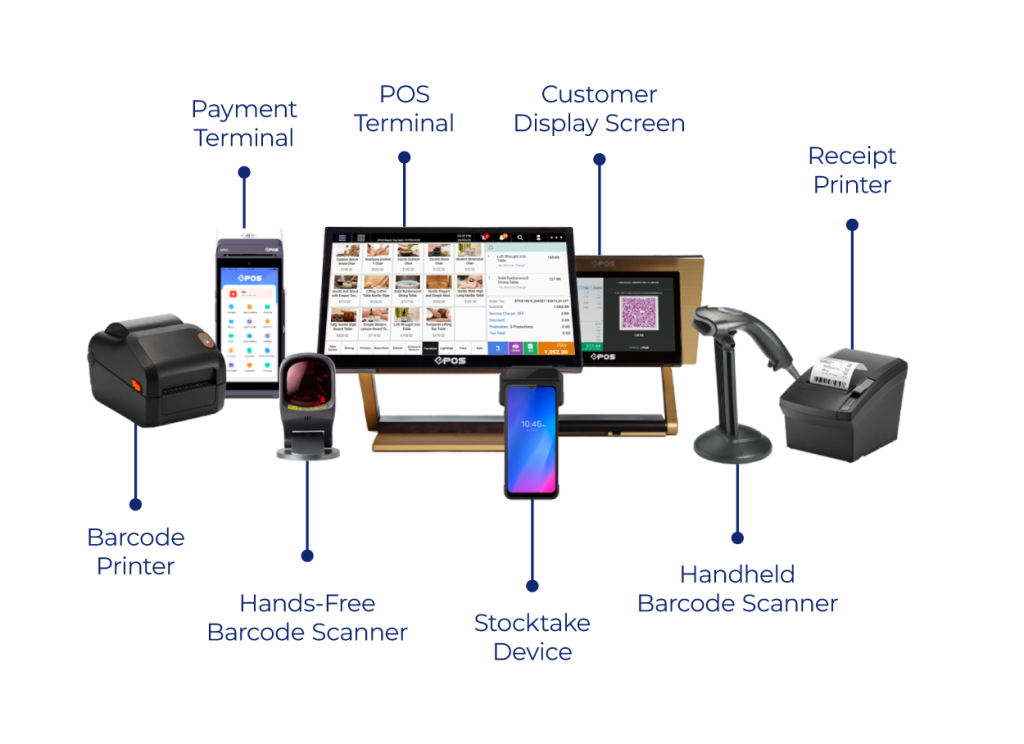
Hardware
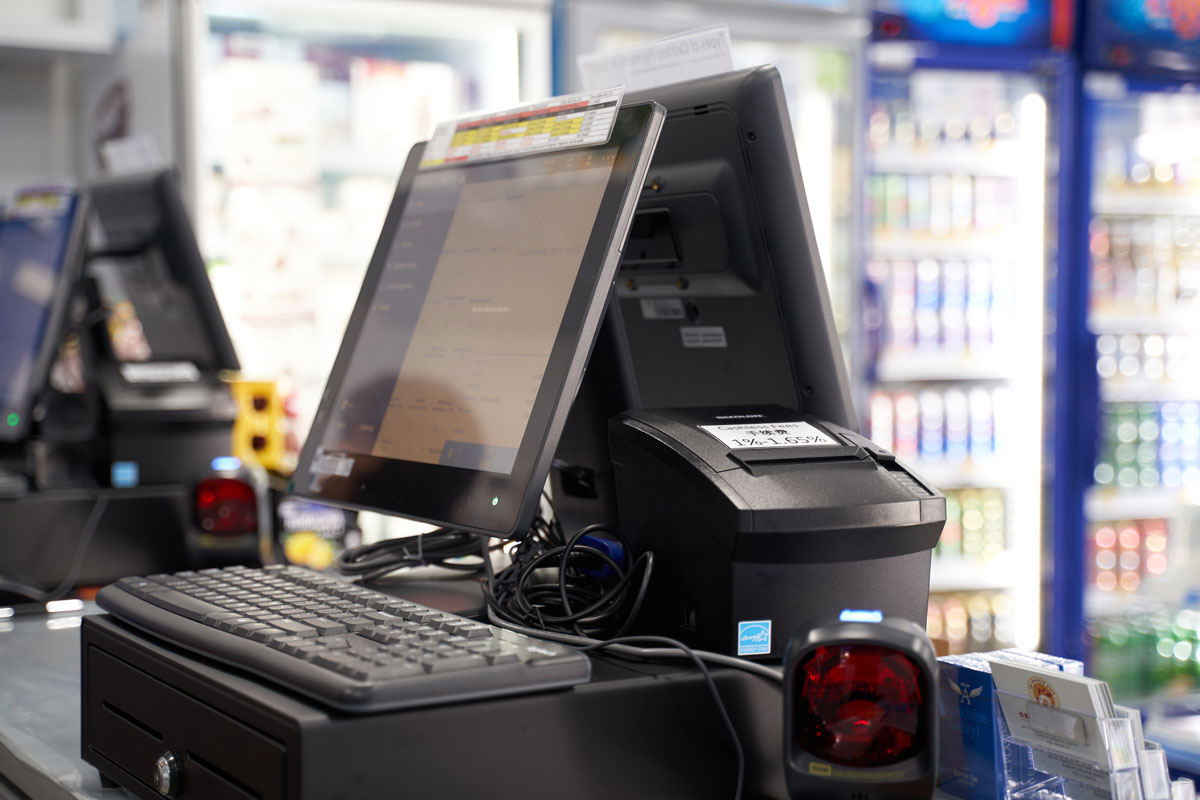
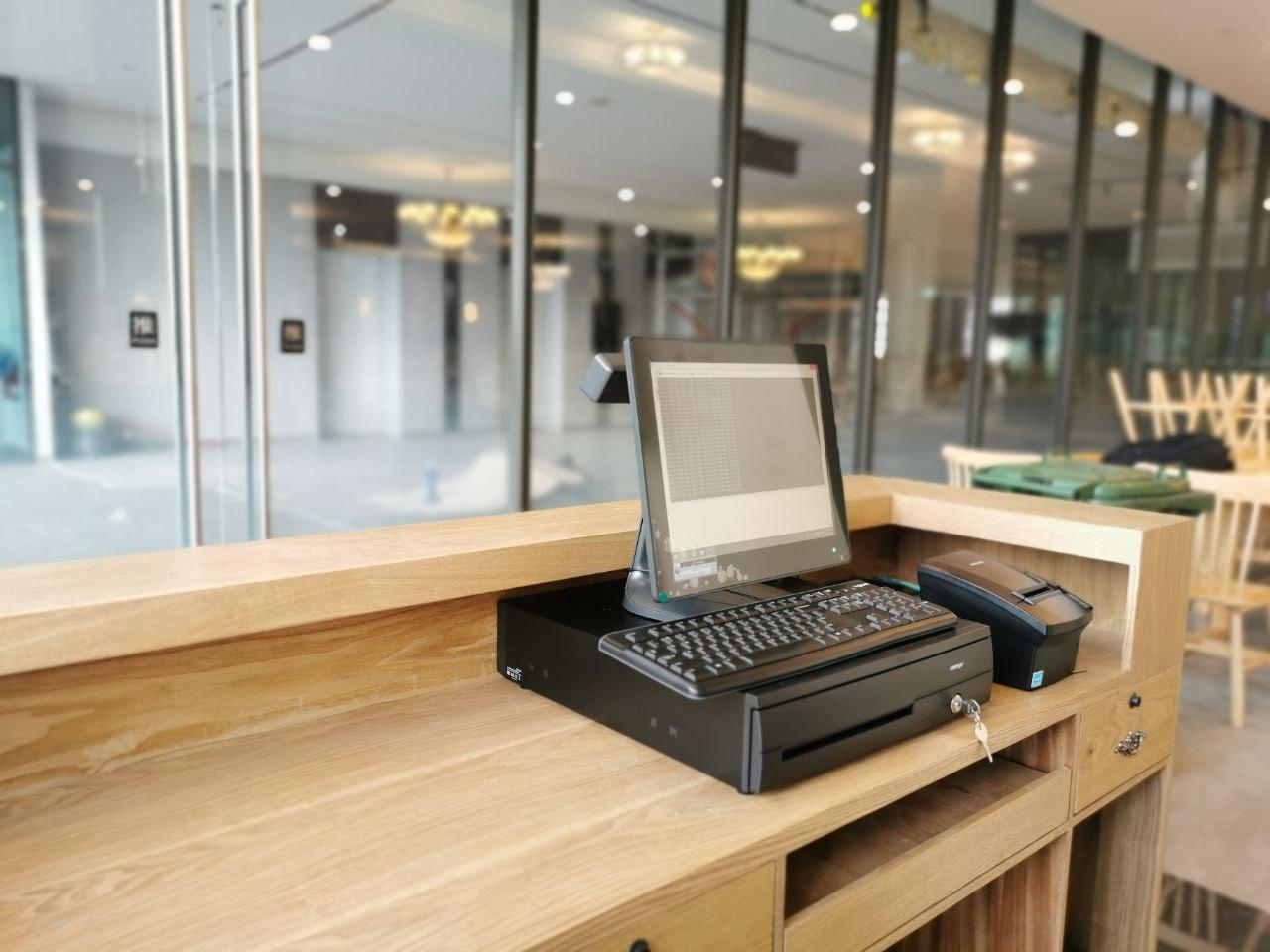
Beyond the basic hardware like card readers, receipt printers, and cash drawers, POS systems offer software capabilities that directly impact your bottom line. Understanding which features serve your specific business needs prevents overspending on unnecessary tools whilst ensuring you capture opportunities for efficiency gains.
Inventory Management: Eliminate Stock Count Headaches
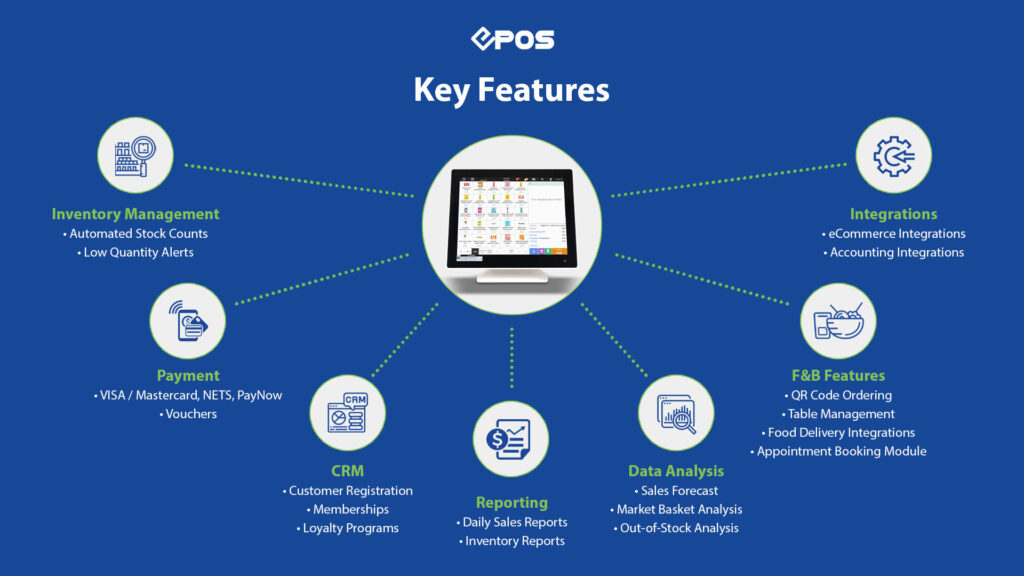
Manual stock tracking consumes hours and invites costly errors. Inventory management software within POS systems automatically adjusts stock levels with each sale, preventing situations where customers request items you’ve already sold out of.
The software generates low-stock alerts before you run out completely, protecting revenue from lost sales opportunities. Advanced systems use historical data to forecast demand patterns and suggest reorder quantities that balance stock availability against storage costs. Purchase orders are generated automatically based on these forecasts, removing guesswork from restocking decisions.
Businesses handling multiple product variants—sizes, colours, or configurations—particularly benefit from automated tracking. The system monitors each SKU separately, ensuring accurate counts across your entire catalogue without requiring dedicated staff hours for stocktaking.
Customer Relationship Management for Repeat Business
CRM functionality transforms anonymous transactions into lasting customer relationships. The POS software captures purchase history, contact details, and preferences, creating profiles that inform targeted marketing efforts.
Membership programmes become manageable at scale. Customers enrol through quick in-store processes or online portals, with their loyalty points and rewards tracked automatically. You can segment customers by purchase frequency, average transaction value, or product preferences, then design promotions relevant to each group.
This targeted approach outperforms broad marketing campaigns. Rather than generic discounts, you send personalised offers based on what specific customers actually buy. Previous purchasers of running shoes receive notifications about new athletic footwear, whilst customers who frequently order vegetarian meals see plant-based menu additions first.
Real-Time Reporting for Informed Decisions
Business reporting features provide immediate visibility into performance metrics. Daily sales reports show revenue trends, highlighting which products move quickly and which sit unsold. Category performance comparisons reveal where to focus merchandising efforts or adjust pricing strategies.
Customisable reports let you extract specific data points relevant to your questions. How do weekend sales compare to weekdays? Which staff members process the most transactions? What’s the average basket value during promotional periods versus standard pricing? The system organises raw transaction data into actionable insights without requiring spreadsheet expertise.
Multi-location operators gain particular value from centralised reporting. View performance across all sites simultaneously to identify which locations exceed targets and which require operational support.
Data Analysis Takes Reporting Further
Where reporting shows what happened, data analysis predicts what comes next. Sales forecasting modules examine historical patterns, seasonal trends, and external factors to project future demand. This foresight informs purchasing decisions, staff scheduling, and promotional timing.
Smart bundling suggestions identify products frequently purchased together, enabling strategic bundle promotions that increase average transaction values. The system might reveal that customers buying coffee machines typically purchase grinders within two weeks, prompting you to create combo offers that capture more value per sale.
Out-of-stock loss calculations quantify the revenue missed when inventory is depleted, demonstrating the financial impact of stock shortages. These figures justify increased inventory investment in high-demand items whilst revealing which products safely carry lower stock levels.

Food and Beverage Specific Capabilities
Restaurants and cafes require specialised functionality beyond standard retail features. QR code ordering reduces wait times whilst accurately capturing orders, with selections transmitted directly to kitchen display screens that organise preparation workflows.
Table management software tracks seating status, wait times, and server assignments across floor plans. Set menu configurations accommodate prix fixe offerings, tasting menus, or group dining packages. Integration with delivery platforms like Deliveroo or Grab extends your reach without managing separate ordering systems.
Reservation systems prevent overbooking whilst maximising seating capacity. Customers book online, with confirmations sent automatically and table assignments optimised for party size and timing.
Integration Capabilities Extend Functionality
Modern POS systems connect with complementary business software, creating unified workflows across operations. E-commerce platform integration synchronises online and in-store inventory, preventing overselling whilst showing customers accurate availability regardless of shopping channel.
Accounting software connections eliminate double-entry bookkeeping. Sales data, refunds, and payment methods transfer automatically to your financial records, ensuring accuracy whilst reducing administrative time.
Payment processor integrations expand transaction options. Accept PayNow, Nets, credit cards, and digital wallets through a single system, meeting customer payment preferences without managing multiple merchant accounts separately.
Benefits That Impact Your Operations
These features deliver tangible operational improvements. Automated processes eliminate repetitive manual tasks, freeing staff for customer-facing activities that drive sales. Human error diminishes when systems handle calculations, inventory updates, and record-keeping.
Labour costs decrease as fewer hours are spent on administrative work. Inventory carrying costs drop through optimised stock levels that prevent overordering whilst maintaining product availability. Shrinkage from theft or miscounting is reduced through accurate tracking and audit trails.
Security features protect against internal theft through transaction logs, multi-level access controls, and cash tracking that reconciles drawer contents against recorded sales. These safeguards create accountability without implying distrust, establishing clear protocols that protect both business assets and employee reputations.
Sales increase through better customer intelligence, timely promotions, and product recommendations based on purchase patterns. Your existing customer base generates more revenue when you understand their preferences and buying behaviours.
Choosing Features That Match Your Needs
Not every business requires every feature. Small retailers with limited SKU counts may not need sophisticated inventory forecasting, whilst high-volume restaurants absolutely require kitchen display integration.
Assess your current pain points. Do stock discrepancies cause problems? Start with inventory management. Struggling to build repeat business? Prioritise CRM functionality. Lacking visibility into performance? Focus on reporting capabilities first.
Budget considerations matter—comprehensive systems with extensive features command higher subscription costs and implementation investments. Ensure the features you’re paying for address actual business challenges rather than theoretical capabilities you might never use.
Transform Your Point-of-Sale Into a Growth Engine
POS systems evolve from simple transaction processors into comprehensive business management platforms. The right feature set streamlines operations, reduces costs, and creates opportunities for revenue growth through better customer relationships and informed decision-making.
Evaluate potential systems against your specific operational challenges and growth goals. Request demonstrations that show how features work with your product types, transaction volumes, and business model.
Ready to explore how the right POS system could transform your business operations? Book a free demo with EPOS to discover which features align with your needs and growth plans.
• Written by Adrija Chakravarti