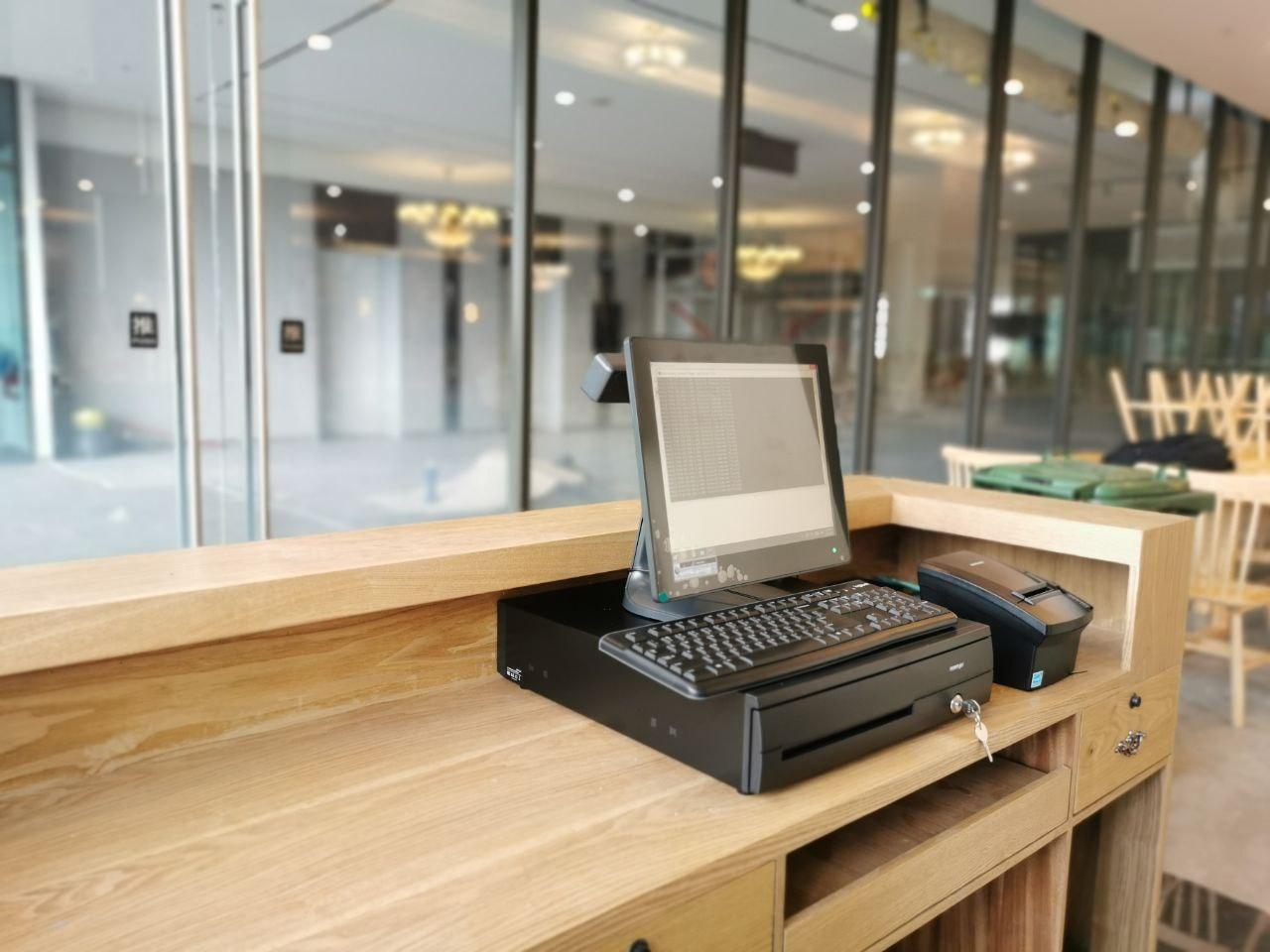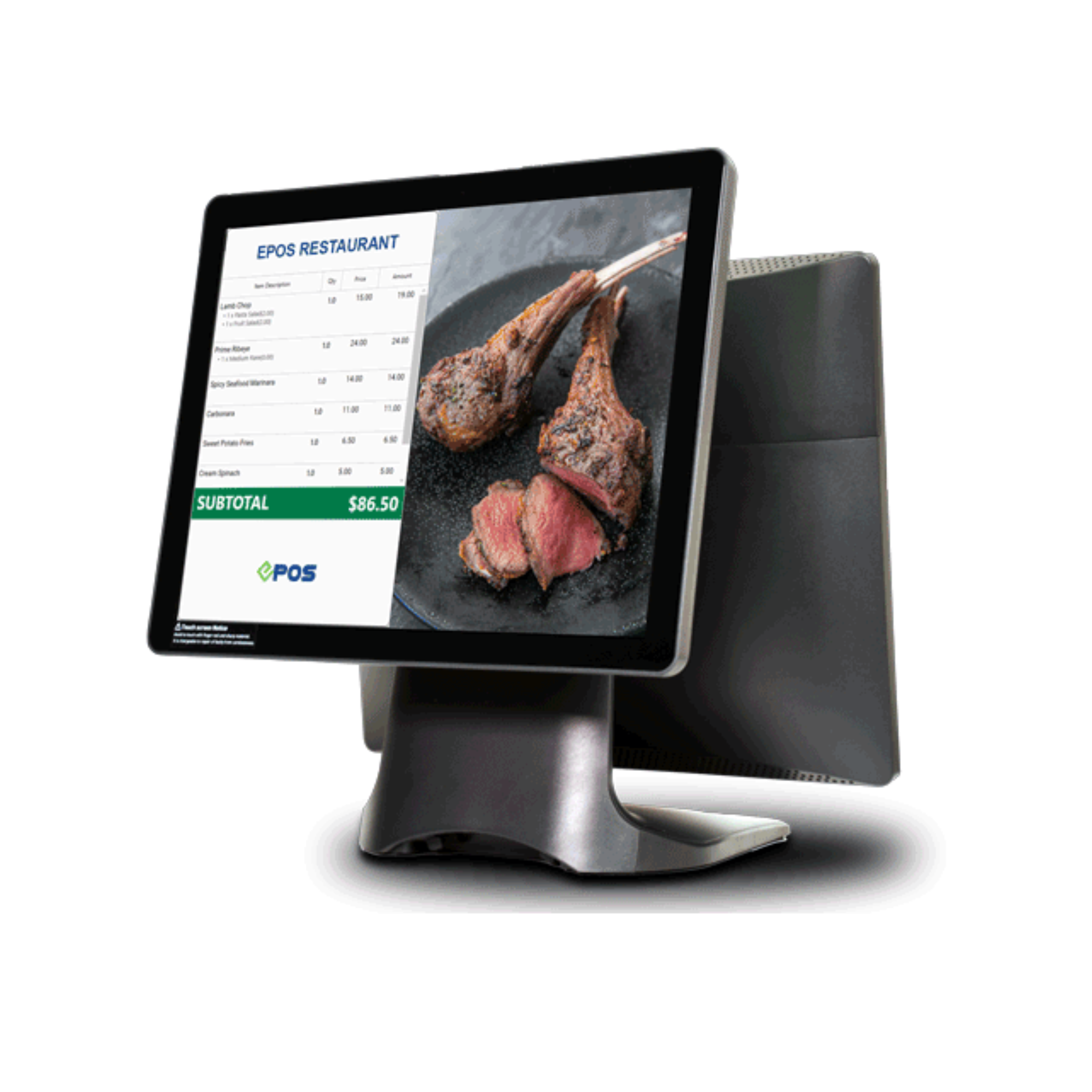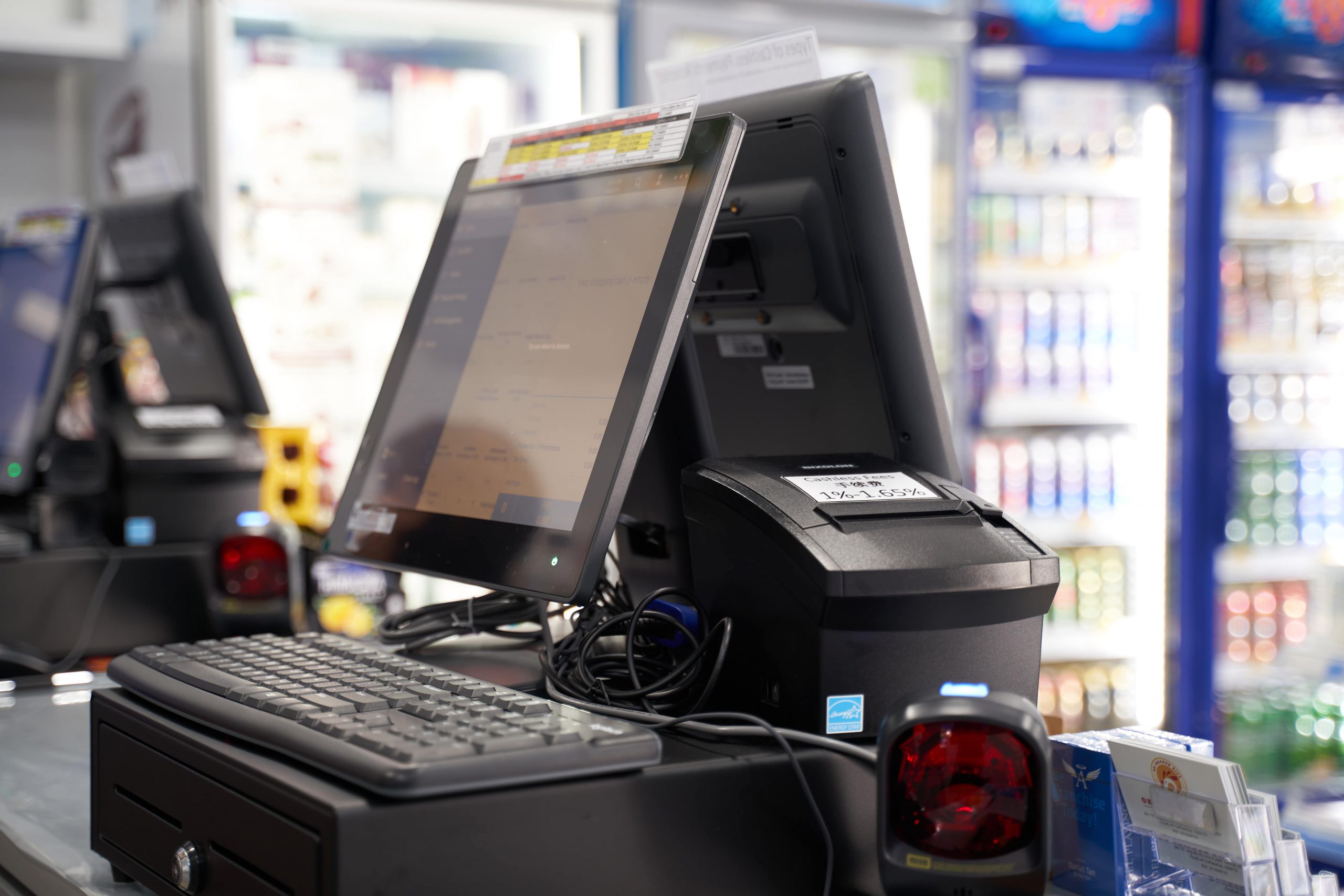
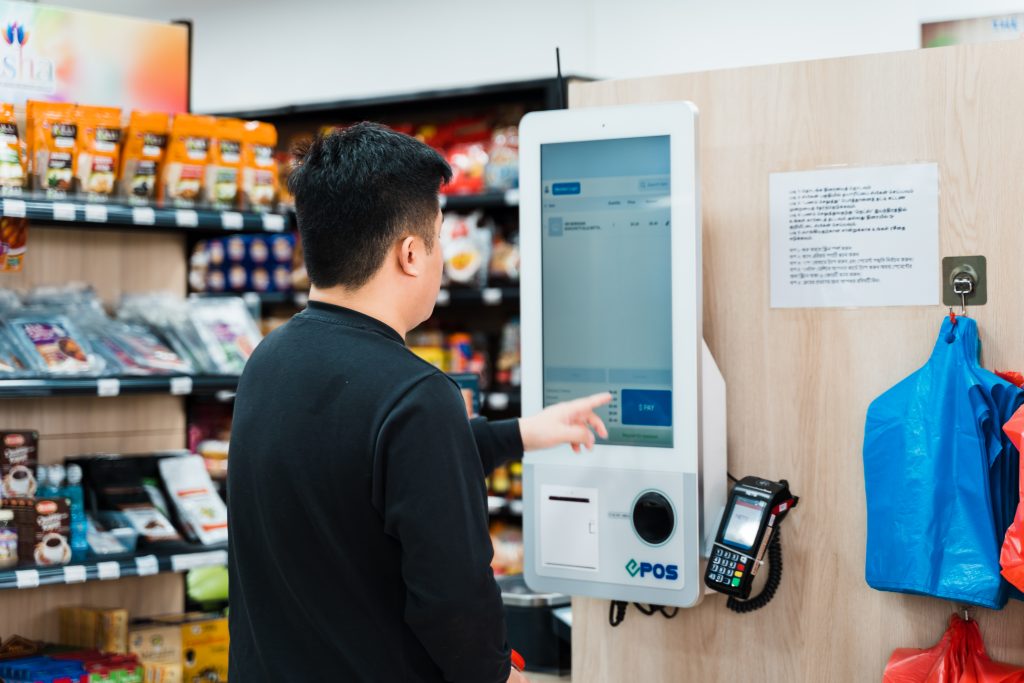
When NESST Tukang dormitory opened its doors in 2 days ago, it brought more than just improved living conditions to Singapore’s migrant workers. The facility introduced modern retail infrastructure, including integrated POS systems and self-checkout kiosks, signalling a shift in how dormitory operators approach resident services and daily conveniences.
NESST Tukang represents one of Singapore’s newest purpose-built dormitories, housing approximately 8,500 migrant workers in the Tukang area. Developed as part of the nation’s commitment to raising accommodation standards, the dormitory spans a comprehensive campus with residential blocks, recreational spaces, and commercial amenities.
The facility was designed with resident welfare at its core. Beyond meeting regulatory requirements, NESST Tukang incorporates features typically found in modern residential developments: air-conditioned common areas, fitness facilities, sports courts, and a medical centre. This infrastructure required an equally sophisticated approach to retail operations, which led to the deployment of advanced POS systems across the premises.
Why POS Systems Matter in Dormitory Settings
Traditional dormitory retail operations often relied on manual cash handling and basic inventory tracking. As facilities scale up to accommodate thousands of residents, these methods become inefficient and prone to errors. Modern POS systems address several operational challenges specific to high-density worker accommodation.
Transaction speed matters when serving large populations during limited break periods. Workers returning from job sites need quick access to meals, toiletries, and phone credit. POS systems process purchases faster than manual methods, reducing queue times and improving the overall resident experience.
Inventory management becomes critical when operating multiple retail touchpoints across a campus. Integrated POS systems track stock levels in real time, helping operators identify popular items, prevent stockouts, and optimise ordering patterns. This data-driven approach ensures residents can reliably access essential goods.
Self-Checkout Kiosks: Balancing Convenience and Autonomy
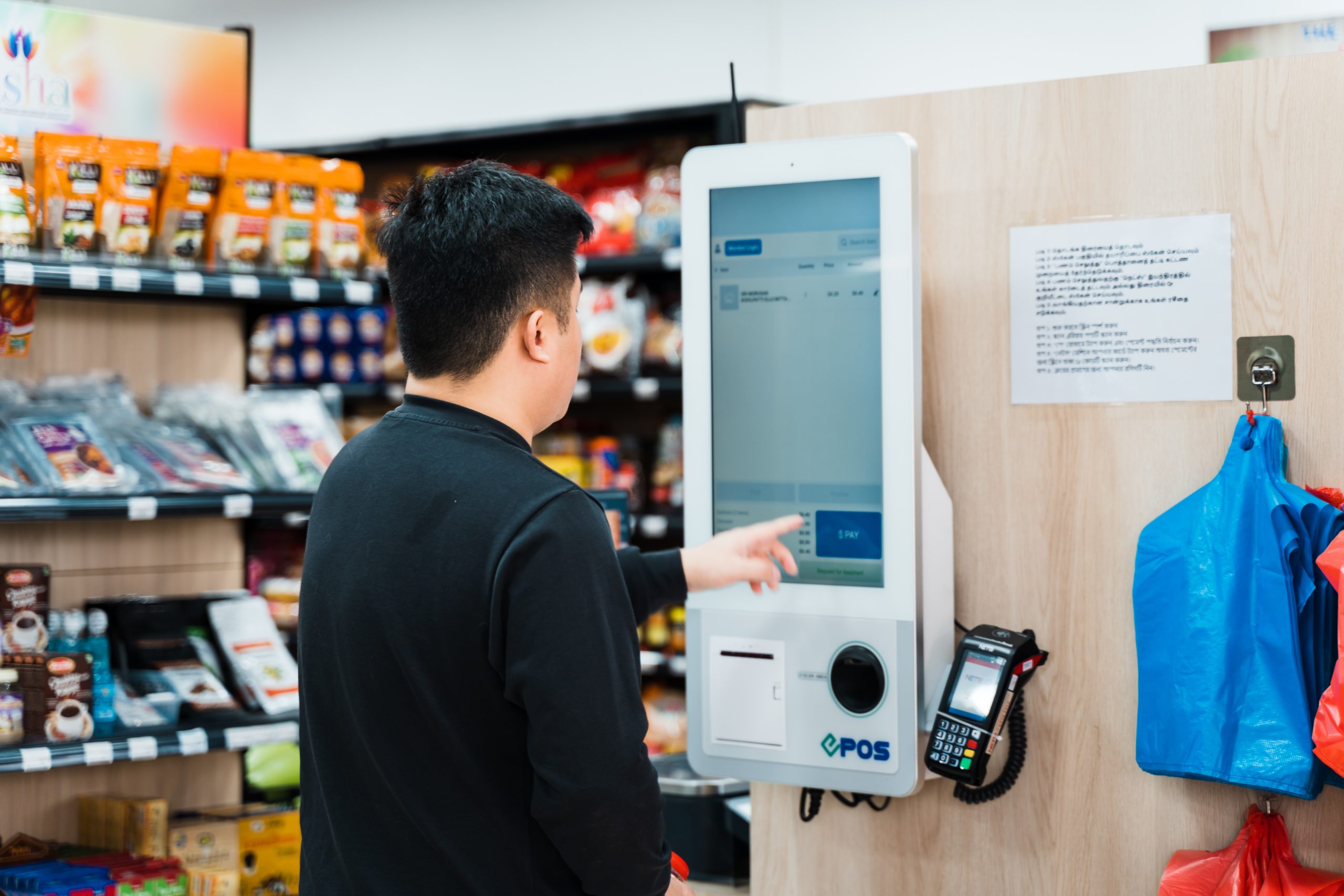
The inclusion of self-checkout kiosks at NESST Tukang reflects a broader trend toward giving residents more control over their daily transactions. These machines allow workers to complete purchases independently, particularly useful during off-peak hours when staffed counters may have reduced operating hours.
Self-checkout technology also addresses language barriers that can complicate in-person transactions. Visual interfaces with multilingual support help workers navigate purchases without relying on verbal communication. This accessibility feature proves particularly valuable in diverse dormitory populations where residents come from various linguistic backgrounds.
From an operational perspective, self-checkout kiosks complement rather than replace human staff. During peak periods, the machines absorb routine transactions while staff members handle more complex customer service needs. This distribution of labour improves service quality while maintaining personal interaction when required.
Integration with Dormitory Operations
The POS infrastructure at NESST Tukang connects with broader facility management systems. Transaction data helps operators understand resident consumption patterns, meal preferences, and shopping behaviours. These insights inform decisions about vendor selection, store hours, and product assortment.
Payment flexibility represents another advantage of modern POS systems. Workers can use various payment methods, including mobile wallets and stored-value cards, rather than relying solely on cash. This flexibility matters in environments where residents may have limited access to traditional banking services or prefer digital payment options.
Security features built into commercial-grade POS systems also protect both operators and residents. Transaction logs create clear audit trails, reducing disputes and preventing unauthorised access to payment systems. These safeguards become particularly important in shared-living environments where multiple parties interact with retail infrastructure.
The Broader Context of Dormitory Standards
NESST Tukang’s adoption of POS systems and self-checkout kiosks sits within Singapore’s ongoing efforts to elevate migrant worker accommodation standards. Following increased scrutiny of dormitory conditions, particularly after public health challenges in 2020, the government and private operators have invested in facilities that prioritise worker welfare rather than treating it as an afterthought.
The dormitory’s technology choices reflect this philosophy. Rather than viewing retail operations as purely functional necessities, NESST Tukang sees them as opportunities to enhance residents’ daily lives. Quality retail experiences contribute to overall satisfaction and well-being, recognising that workers deserve the same conveniences available in mainstream residential developments.
What This Means for the Industry
The deployment of sophisticated POS infrastructure at NESST Tukang may influence standards across Singapore’s worker accommodation sector. As newer facilities demonstrate the operational benefits and improvements in resident satisfaction that come with modern retail technology, other dormitory operators may feel pressure to upgrade their own systems.
This technological evolution extends beyond hardware. It requires staff training, system integration, and ongoing maintenance commitments. Dormitory operators must approach POS implementation as a long-term investment in service quality rather than a one-time infrastructure purchase.
The success of these systems at NESST Tukang will likely be measured not just in transaction efficiency but in resident feedback and operational metrics. If workers report improved satisfaction with on-site retail options and operators see better inventory management and reduced waste, the model becomes replicable across the industry.